Deep Dives
When they really got into it
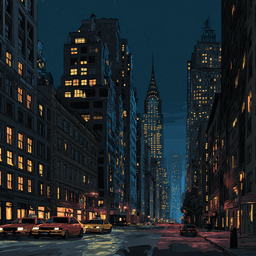
After Hours
The Rewatchables
- — A detailed discussion (approximately 20 minutes) of Scorsese's career leading up to After Hours, focusing on his struggles after New York, New York, the cancellation of The Last Temptation of Christ, and how After Hours served as a stylistic and thematic turning point.
- — An extended conversation (approximately 10 minutes) about Rosanna Arquette's career, particularly her performance in After Hours and why she didn't become a bigger star.
- — A surprisingly lengthy discussion (approximately 15 minutes) about Linda Fiorentino's career, her captivating performance in After Hours, her subsequent career choices, and the revelations about her involvement with Anthony Pelicano.
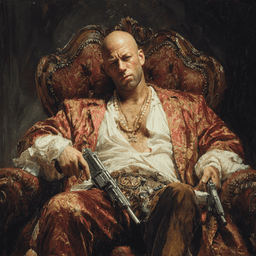
Die Hard With A Vengeance
The Rewatchables
- — Extensive discussion on McClane's hypothetical trajectory, comparing him to real-life figures and fictional characters.
- — Detailed analysis of Jackson's filmography, his rise to stardom, and his unique position in Hollywood.
- — Discussion about New York's portrayal in Die Hard 3 and other films, noting the changes in the city's atmosphere over time.
- — In-depth conversation about the portrayal of race in the film, focusing on the relationship between McClane and Zeus.
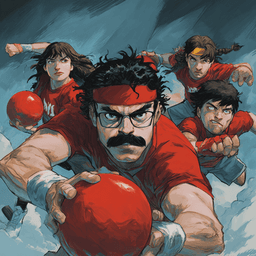
Dodgeball
The Rewatchables
- — Discussing the oral history of the movie and the director's journey.
- — Listing and analyzing various memorable scenes from the movie.
- — Analyzing performances, discussing potential recastings, and comedic styles.
- — Comparing the 'Dodgeball era' of comedies to the Apatow era and discussing their quotability and rewatchability.
Elastica
Bandsplain
- — Detailed discussion of the band's origins, influences, early gigs, and signing to Deceptive Records. (Estimated 15+ minutes)
- — Extensive discussion of their relationship, including its unconventional nature, the impact on their respective bands, and eventual breakup. (Estimated 10+ minutes)
- — In-depth analysis of the album's creation, recording process, critical reception, and its significance within the Britpop scene. (Estimated 10+ minutes)
- — Extensive discussion of Matthews' struggles with addiction, her deteriorating relationship with Frischmann, and eventual departure from the band. (Estimated 10+ minutes)
- — Discussion of the album's long and troubled creation process, the band's internal conflicts, and its eventual release. (Estimated 5+ minutes)
Elio Materialists And The Phoenician Scheme
Hey Fam
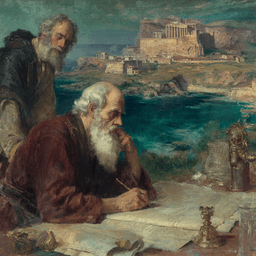
- — An extensive critical analysis of Wes Anderson's latest film, discussing its stylistic nuances, thematic depth, unique black and white impressionistic sequences, and comparison to his earlier works and other prolific filmmakers (Woody Allen). Includes detailed commentary on the acting and direction, asserting Anderson's meticulousness and writing prowess. They also discuss how the 'Accidental Wes Anderson' trend trivializes his work.
- — A comprehensive chronological review of Pixar's film output from 'Brave' onwards, dissecting perceived declines in originality, shifts to sequels, and the studio's struggle with focus and identity. They critique specific films (e.g., 'Incredibles 2' as 'dull,' 'Good Dinosaur' as 'development hell') and express enthusiasm for others ('Coco' as a masterpiece), while speculating on future projects like 'Hoppers' and 'Toy Story 5.'
- — Sam provides a thorough breakdown of his negative experience with 'Materialists,' highlighting issues with its dialogue (written by a playwright), jarring tonal shifts, unrealistic character motivations (Chris Evans' 37-year-old in a sharehouse), and a poorly resolved B-plot. He contrasts it with the acclaimed 'Past Lives' by the same director, labeling 'Materialists' a 'sophomore slump.'

F1 Tinkerbell
Hey Fam
- — Detailed discussion of the movie, including the premiere experience, the racing scenes, Brad Pitt's performance, and its comparison to Top Gun: Maverick (approx. 30 minutes).
- — Extensive discussion of the Jurassic Park movies, including the quality of the sequels, the themes, and the latest installment, Jurassic World Dominion (approx. 15 minutes).
- — In-depth discussion of the Disney movie, including its racist elements, the characters, and potential alternatives like Hook (approx. 10 minutes).
- — Deep dive into the surprisingly complex lore surrounding the Tinkerbell movies and her classification (approx. 10 minutes).
Happy Mondays And The Stone Roses Part 1 The Birth Of Baggy
Bandsplain
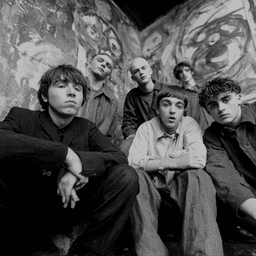
- — Detailed discussion of the bands' formation, early influences, members' backgrounds, and key events leading to their initial success.
- — Extensive discussion of Factory Records, the Hacienda, Tony Wilson's role, and the impact on the Manchester music scene.
- — In-depth exploration of the evolution of baggy fashion, its origins, and its connection to the music scene.
- — A detailed account of how Ecstasy arrived in Manchester, its early adoption by key figures, and its role in shaping the Madchester sound and culture.

Jurassic World Rebirth
The Rewatchables
- — Detailed analysis of the teaser trailer, discussing cast, accents, visuals, and the buildup to its release.
- — Discussion of the broader Jurassic Park narrative and timeline, encompassing multiple films and the spread of dinosaurs into the real world.
- — Extensive conversation with Ava Victor about her journey as a filmmaker, writing process, creative choices, and personal connection to the film Sorry Baby.

Maps
60 Songs That Explain the 90s
- — Extended discussion on Karen O's early volatile stage presence, her influences, and her role in the NYC rock revival. Comparison to other artists like PJ Harvey, Kurt Cobain, Courtney Love, and her impact on female representation in rock music.
- — Detailed analysis of the song's creation, its emotional resonance, its place within the album "Fever to Tell", its influence on other songs like "Since U Been Gone", and its legacy as a both a rock and pop anthem. Discussion about the song's video and the crying scene.
- — Extensive discussion about the NYC rock scene in the early 2000s, including bands like The Strokes, Yeah Yeah Yeahs, TV on the Radio, LCD Soundsystem, and others. The hosts discuss the scene's ethos, its key players, and its evolution. Mentions of the book "Meet Me in the Bathroom" and the impact of venues like Mercury Lounge. The debated questions of rock's alleged death and subsequent revival.
Oppenheimer 25
The Big Picture
- — Hosts thoroughly discuss each of Nolan's 11 films released in the 21st century, analyzing their strengths, weaknesses, and relevance to the discussion. (Estimated time: 20+ minutes)
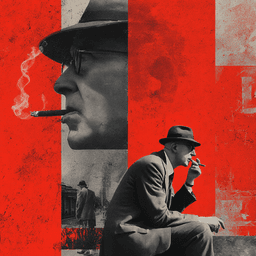
- — Detailed discussion of the film's technical achievements, Cillian Murphy's performance, its themes, and its historical context. (Estimated time: 15+ minutes)
- — Hosts discuss the film's potential long-term impact and compare it to classics like Lawrence of Arabia and Citizen Kane. (Estimated time: 5+ minutes)
Out For Justice
The Rewatchables
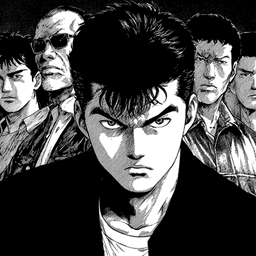
- — The hosts extensively dissect Seagal's behavior, including his inconsistent Italian accent, his alleged cutting of William Forsyth's scenes, his demands during an SNL Hans & Franz sketch (he insisted on beating them up), and his unique refusal to take any punches in fight scenes, comparing him to other action stars. (Estimated 15+ minutes)
- — Both hosts declare this their favorite scene of Seagal's career and potentially their favorite movie scene ever. They analyze specific elements like the cue ball in the towel, Seagal's 'whose hot dog is this?' ad-lib, the distinct minor villains (Styx, Tattoo), the bounty being placed on Gino's head mid-fight, and its comparison to the Alec Baldwin scene in 'Glengarry Glen Ross'. (Estimated 10+ minutes)
- — Kyle introduces a new category for this infamous anecdote, recounting how Seagal was allegedly choked unconscious by stunt coordinator Gene LaBelle and soiled himself. They spend significant time discussing the story's veracity, witness accounts, and compare it to other Hollywood urban legends, involving producer Craig in the discussion. (Estimated 10+ minutes)
- — Bill and Kyle meticulously break down the bizarre interaction between Gino Felino and his son. They highlight Seagal's awkward glove-holding, the peculiar dialogue ('You got the mitt, I got the ball, you got the bat. Let's go.'), and the implausible scenario of hitting grounders with one baseball. Kyle adds the detail of Seagal casually kicking his son in the ass. (Estimated 8 minutes)
- — The hosts heap praise on Forsyth's terrifying and captivating performance as the villain Richie. They discuss the well-known story of Seagal allegedly demanding that Forsyth's scenes be cut due to perceived upstaging, leading to the film's brevity and montages, drawing parallels to Ledger's Joker vs. Bale's Batman. (Estimated 7-8 minutes)

Pitch Perfect
The Rewatchables
- — The hosts discussed the film's success, its popularity on DVD and HBO, its word-of-mouth appeal, and its relation to the broader cultural landscape of musical films and TV shows.
- — The hosts spent a significant amount of time discussing the accuracy and relatability of the film's portrayal of college life, including dorm life, social dynamics, and the search for identity.
- — They discussed the careers and talents of many cast members, including Anna Kendrick, Brittany Snow, Rebel Wilson, Skylar Astin, Ben Platt, and Elizabeth Banks. They also talked about potential recasting choices.
- — The hosts analyzed the music in the film, including the riff-off scene, the Cup Song, and the final medley. They discussed their favorite needle drops and the impact of mashup culture.

Since Youve Been Gone
60 Songs That Explain the 90s
- — Rob recounts a detailed and lengthy story (approximately 10 minutes) of attending a Gillian Welch concert, including an encounter with the 'truffle man' and the effects of pot truffles.
- — Rob provides an extensive overview (approximately 25 minutes) of Kelly Clarkson's career, from her American Idol win to her present-day success, analyzing her albums, hits, and personal struggles.

The 2025 Movie Auction Returns
The Big Picture
- — The hosts spent a significant portion of the episode discussing their movie auction, including the new scoring system, their individual slates, and strategies.
- — The hosts discussed several upcoming fall movies, including potential awards contenders and box office hits.

The Chicago Movie Draft Live In Chicago
The Rewatchables
- — Tracy provides a detailed, 5-7 minute narrative covering his move to Chicago in 1986, the founding principles and history of Steppenwolf, his 'longest apprenticeship' before joining the company, and the unique culture of Chicago as a 'handmade theater' town.
- — Tracy spends ~4-5 minutes sharing two specific stories: the 'absurd' casting of Tuesday Weld at the Belden Deli, and an extended, humorous anecdote about actor Nathan Davis (who appears in 'Thief') and a recurring bathroom-door-knocking incident.
- — Sean elaborates for ~2 minutes on a 'nugget' about a nude Lynda Carter poster in 'Blues Brothers,' explaining how it connects to a casting change in 'Apocalypse Now' and creates an 'alternate universe.'
- — Tracy spends ~2 minutes detailing a specific scene where Julia Roberts impersonates a character using a mix of email, a written letter, and a courier, highlighting its 'weirdest like conflation of communication methods' just 'before the Matrix' era.
- — Amanda spends ~1-2 minutes explaining her renewed appreciation for 'Widows,' praising its cast, its 'very Chicago, Chicago movie' feel, its focus on Chicago politics, and a memorable 10-minute car shot across the city.
- — Tracy discusses for ~2 minutes how the film's genius lies in making the audience question the filmmakers' sanity, its terrifying portrayal of Lower Wacker, and actor Michael Rooker's method acting, including a personal anecdote.
- — Tracy dedicates ~2-3 minutes to describing Haskell Wexler's unique filmmaking, shooting during the 1968 Chicago riots, blending fiction with real drama, and the famous 'Look out, Haskell, it's real' moment, linking it to contemporary relevance.
- — Tracy, having watched it for the draft, spends ~2 minutes detailing the film's plot, its 'underseen' status, emotional honesty, and Theodore Witcher's overlooked career as a black filmmaker.
- — Amanda launches into a ~2-minute, highly specific, and self-aware recap of the convoluted and 'sociopathic' plot of the romantic comedy, much to Sean's exasperated amusement ('I never asked for it.').
- — Sean delivers a ~1.5 minute, highly satirical argument framing the Michael Bay film as a profound commentary on disinformation, the faked moon landing, and questioning reality, complete with a humorous hypothetical connection to 'While You Were Sleeping.'
Working Girl
The Rewatchables
- — The hosts dedicate several minutes (approx. 5-7 minutes) to Olivier's health during filming (dying of cancer, on pain meds), how filmmakers played to his 'remaining strengths,' and his unique balance of evil and vulnerability as Zell.
- — A 5+ minute discussion about the legendary on-set tension and a specific anecdote where Hoffman's method acting (staying up for three days) clashed with Olivier's classic advice. They debate the veracity of the story and Hoffman's prickly reputation.
- — The hosts discuss Goldman's novel as the genesis for Marathon Man, his unique writing style that 'reads perfectly as a movie,' and his detailed accounts in 'Adventures in the Screen Trade,' particularly regarding Hollywood egos and script changes.
- — Amanda, Bill, and Joanna spend a substantial amount of time (8-10 minutes) detailing Griffith's 'Hollywood royalty' background, her struggles with substance abuse during filming, her 'trashy' yet 'determined' character portrayal, and her comfort with nudity and vulnerability on screen.
- — A 8-10 minute discussion on Nichols' fascinating career arc from comedy to theater to film (Virginia Woolf, The Graduate), his focus on strong female characters, his late-life romance with Diane Sawyer, and how his immigrant background influenced themes in Working Girl.
- — The hosts explore Weaver's diverse filmography in the 80s (Ghostbusters, Aliens, Gorillas in the Mist, Working Girl) and note that her roles were often originally written for men, which she brought a unique 'steeliness' and 'patrician' energy to. Her 'one-of-a-kind' status among actresses is highlighted.